Why You’re Getting Leads That Never Convert
You’re getting inquiries. Forms are being filled. Messages are landing in your inbox. Your analytics look alive and well.
And yet… revenue isn’t moving.
No signed contracts. No deposits. No long-term clients. Just a steady stream of “interested” people who disappear faster than your motivation on a Monday morning.
If this sounds familiar, the issue probably isn’t traffic.
It’s alignment.
Let’s break it down properly.
You’re Attracting Attention Instead of Intent
There’s a big difference between someone who is curious and someone who is ready.
A lot of businesses focus on visibility. More posts. More ads. More reach. More impressions. And while that may look impressive on paper, attention alone doesn’t pay invoices.
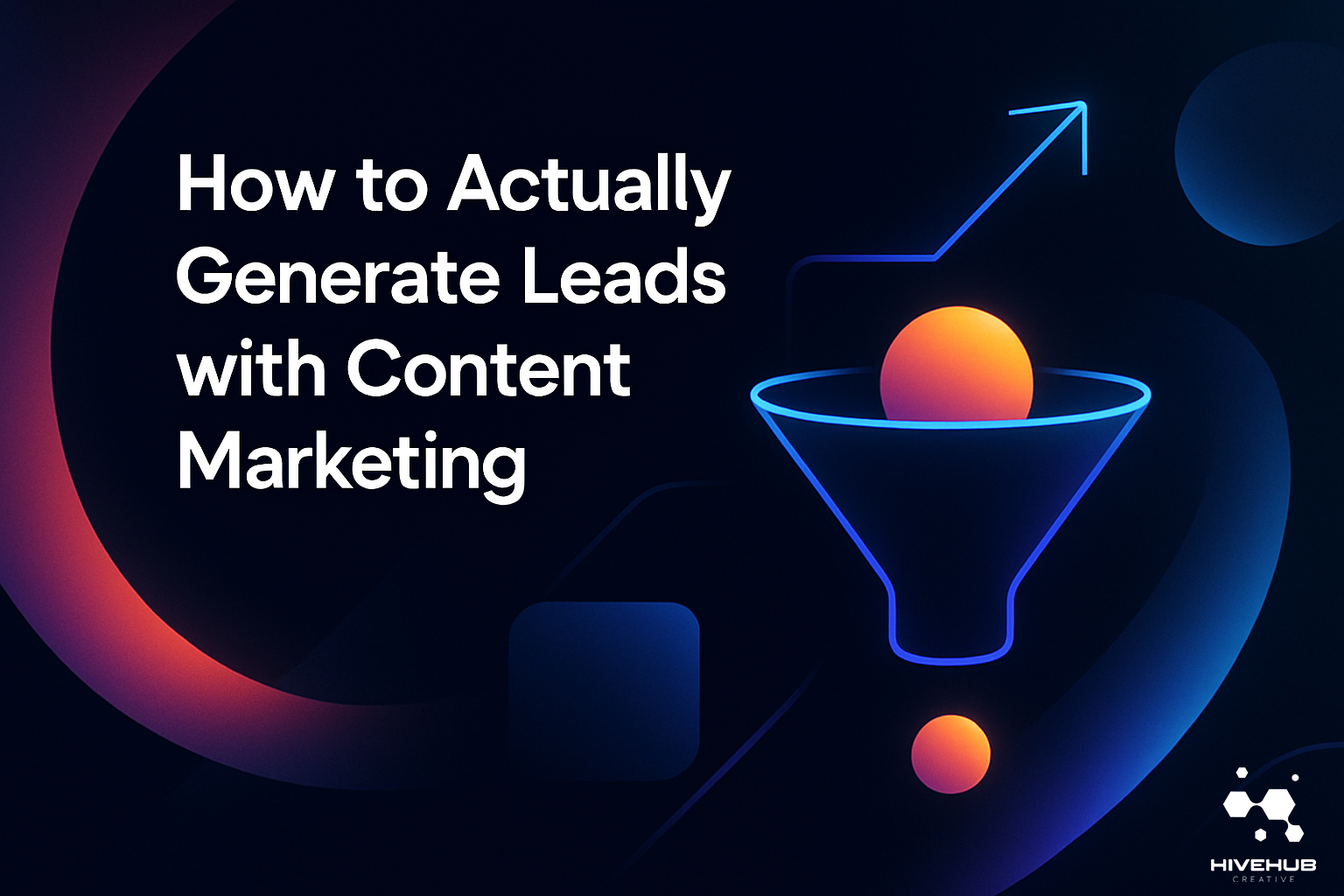
If your strategy prioritizes frequency over direction, you may be building noise instead of movement. Content should guide people toward a decision, not just entertain them between coffee breaks. That’s the difference between posting randomly and knowing how to actually generate leads with content marketing.
Visibility without intent creates leads that never planned to buy in the first place.
Your Messaging Is Too Broad
If your website says you help “businesses grow” or that you provide “high-quality services,” congratulations, you sound like everyone else.
When your positioning is vague, you attract vague interest.
Clear messaging filters people. It attracts the right ones and gently pushes away the wrong ones. That’s not a bad thing. In fact, it’s necessary. When your brand communicates trust, clarity, and specificity, you naturally reduce low-quality inquiries. That’s the foundation behind building a brand people trust.
If everyone feels like a potential client, your messaging probably isn’t sharp enough.
You Don’t Have a Real Funnel (Just a Contact Form)
Many businesses assume that traffic + website = leads.
In reality, traffic without structure creates drop-offs.
A visitor lands on your page. They scroll. They maybe skim a headline. And then… nothing tells them what to do next. No clear journey. No micro-commitments. No psychological progression.
That’s not a funnel. That’s a brochure.
Understanding what a sales funnel is changes how you think about conversion. Leads convert when they’re guided through awareness, trust, clarity, and urgency – not when they’re thrown onto a page and expected to figure it out.
If your system relies on hope instead of structure, don’t be surprised when people vanish.
Your Website Creates Friction
Sometimes the lead is ready.
Your website just isn’t.
Slow load times. Weak headlines. Confusing navigation. Walls of text. No clear call to action. Or worse – design that looks decent but doesn’t actually guide behavior.
A website should reduce doubt. It should answer questions before they’re asked. It should make the next step obvious.
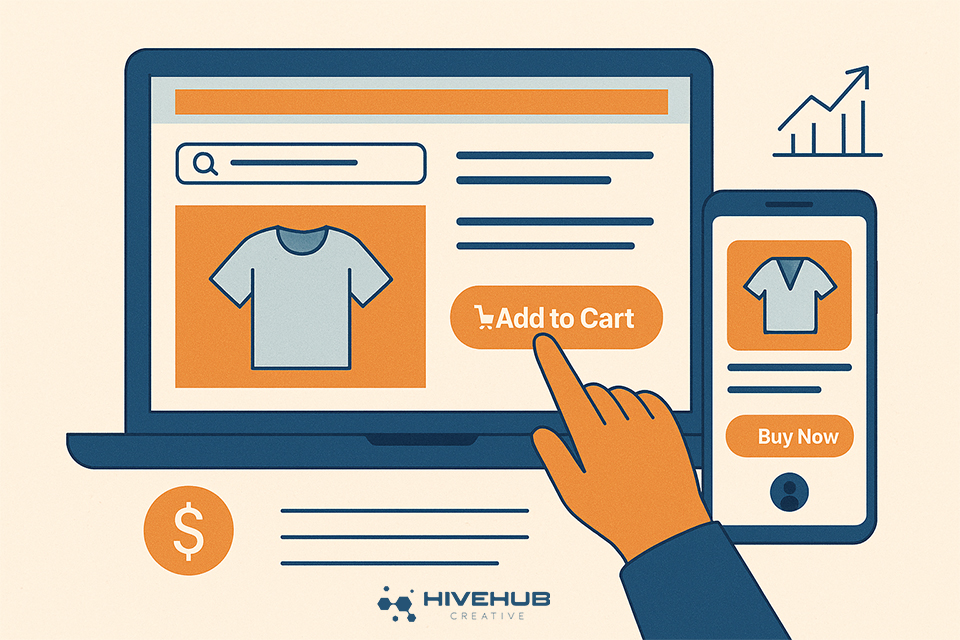
If it doesn’t, even interested leads hesitate. Large-scale usability research on why users abandon checkout processes shows that friction, confusion, and lack of clarity are among the top reasons people walk away before completing an action.
And hesitation kills momentum.
You’re Attracting Price Shoppers
If most conversations start with “What’s your price?” and end shortly after, your marketing might be positioning you as a commodity.
When your messaging emphasizes affordability without emphasizing transformation, you attract people who are comparing numbers, not value.
There will always be someone cheaper.
The goal isn’t to win the lowest bid competition. It’s to position yourself as the obvious choice for a specific type of client.
Strong positioning shifts conversations from price to outcomes. From cost to confidence.
Your Follow-Up Is Weak (Or Nonexistent)
A lead submits a form.
You reply four hours later. Or the next day. Or with a generic message that could’ve been sent to anyone.
Meanwhile, they’ve already contacted three competitors.
Speed matters. Personalization matters. Persistence matters.
Many businesses underestimate what happens after someone hits “submit.” The first few interactions determine whether momentum builds or dies quietly. The conversion doesn’t stop at the form – it begins there.
If you don’t treat follow-up as part of your conversion system, your leads won’t either.
You’re Scaling Traffic Before Fixing Conversion
This is where things get expensive.
Instead of refining messaging, improving the funnel, or optimizing the website experience, businesses increase ad budgets. More clicks. More forms. More “leads.”
But if the system underneath is flawed, scaling traffic only scales inefficiency.
It’s like pouring water into a bucket with holes and deciding the solution is… more water.
Before increasing visibility, make sure your structure converts.
Not Every Lead Is Supposed to Convert
Let’s be realistic.
Some leads will never buy. Timing is wrong. Budget is wrong. Priorities are elsewhere.
And that’s fine.
The goal isn’t a 100% conversion rate. That would mean you’re attracting everyone, including people who were never serious.
The real objective is this: attract fewer, better leads, and guide them through a system designed to convert.
When the audience is right, the message is clear, the funnel is structured, and the follow-up is sharp, conversions stop feeling random.
They start feeling predictable.
Final Thoughts
If your leads aren’t converting, don’t panic. And definitely don’t assume you just “need more traffic.”
Look at the bigger picture.
Is your messaging specific?
Is your funnel intentional?
Is your website guiding action?
Is your follow-up fast and personalized?
Conversion isn’t luck. It’s alignment.
When the right audience meets the right message inside the right system, results follow.
Leads shouldn’t feel like a guessing game. Send us a message and let’s build a conversion strategy that actually works.